
Practical cleaning guide
Cleaning Retractable Queue Barriers: Separate the Finish, Webbing and Floor Plates
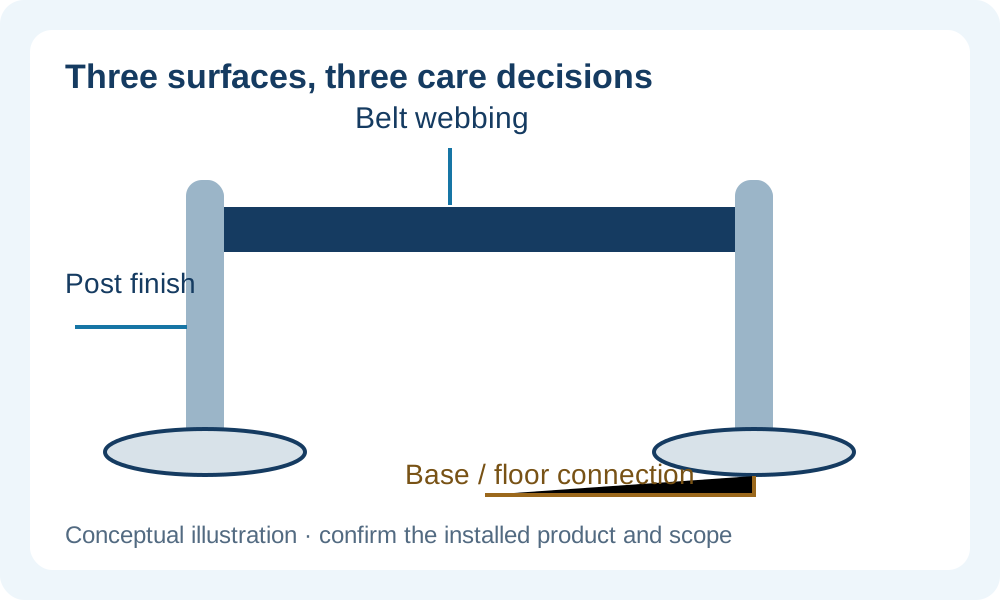
A queue barrier is several cleaning surfaces, not one metal post. Its finish, belt webbing and base or floor connection may need different methods. Before cleaning a theater lobby, reception line or authorized landside facility queue, identify the barrier model and agree who can move or reset the layout.
Identify the finish before choosing a polish
Tensator’s product-cleaning guide separates powder-coated, chrome-plated, stainless and brass finishes. Its ordinary powder-coated and chrome care uses a soft cloth with diluted mild liquid detergent and warm water, with additional finish-specific restrictions. That is guidance for identified Tensator products, not a formula for every barrier. Use the actual model’s current care instructions and cleaner directions.
A shiny or golden post does not establish its finish. The same guide treats lacquered brass differently from uncoated brass and warns against metal polish on lacquer. Do not polish an unknown post to see whether it becomes brighter. Document worn coating or an unexplained mark and ask the responsible person to identify the finish first.
Give the belt its own method
For cassette webbing, Tensator describes a soft cloth with diluted mild detergent and warm water, while warning against soaking and abrasive tools. Follow that only for the identified compatible belt. Do not immerse the cassette or let a wet belt feed liquid into its housing. Ordinary cleaning does not authorize opening, repairing or lubricating the retraction mechanism.
If the belt is frayed, its end fitting is damaged or it retracts abnormally, report it before further handling. Ask the authorized facilities team to arrange service or replacement. Do not assume that cleaning a mark corrects wear or proves that the barrier is safe to return to the queue.
Separate floor cleaning from barrier handling
Before a mop or machine reaches the area, ask whether posts are freestanding, fixed into sockets or held by floor plates. Tensator’s guide warns that cleaning-machine contact around magnetic floor plates needs care because plates may become loose over time. That example does not identify the mounting system beneath another brand’s post.
- Agree on an approved temporary queue arrangement before moving barriers.
- Identify who may handle belt ends and move each post under its instructions.
- Keep machines from striking identified plates, posts and sockets.
- Do not flood a mounting area or use unapproved solvent to remove residue.
- Have the responsible person inspect the returned arrangement and report loose components.
Do not drag a weighted base across a finished floor to reach dirt underneath. If posts cannot be moved under the agreed handling method, record the inaccessible area and clean the reachable surrounding floor. A fixed socket or plate should not be pried off as part of a routine cleaning visit.
Keep the public-area scope clear
Schedule cleaning when the affected queue can be managed by the venue. Do not independently redirect people across an exit or restricted area. For an FBO inquiry, the location must be a specifically authorized landside interior; aircraft, ramp and airside work are outside this guide.
For a business or theater facility in Orange County and JLV’s listed Inland Empire cities, include the barrier model, finishes and handling contact in a quote discussion. Ask which accessible ordinary-cleaning tasks fit the scope. Crew readiness, service window and availability are confirmed before acceptance; barrier repair, layout certification and hazardous cleanup are separate responsibilities.