
Practical cleaning guide
Cleaning Carpet Spots That Return: Check Drying and Residue Before Retreatment
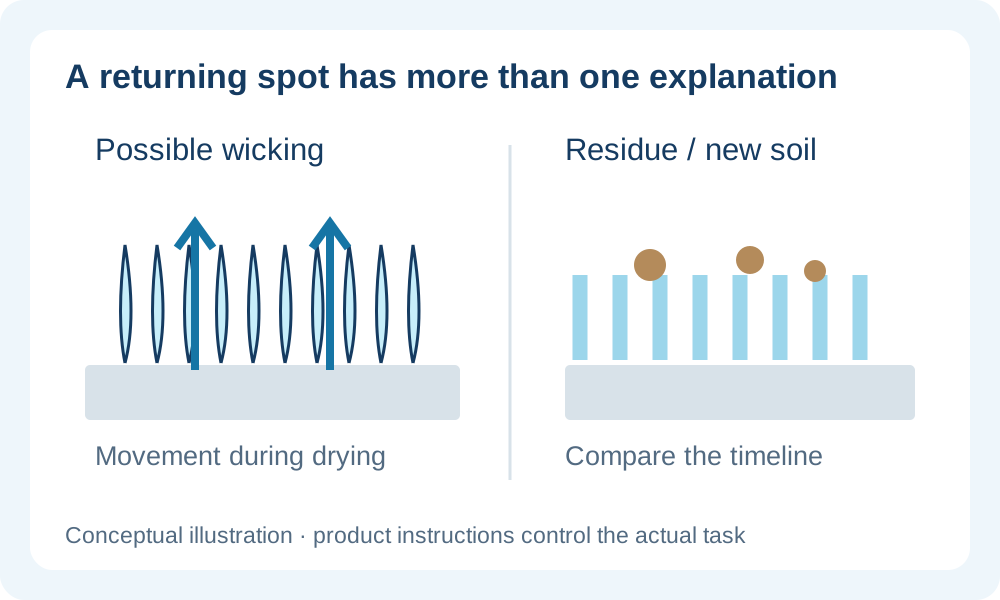
A carpet spot that looks better while damp and reappears as it dries does not automatically need a stronger cleaner. First record when it returns, whether the area has been walked on and which products were applied. That timeline helps separate a drying-related return from new tracked soil, lingering cleaner residue or a permanent color change.
Understand what wicking means without guessing the cause
The Carpet and Rug Institute’s commercial maintenance standard describes wicking as liquid, soil or residual contaminants moving from the backing toward the fiber tips while carpet dries. This movement can bring a visible mark back after the surface initially looks clean. The explanation fits one possible process; appearance alone does not establish that it caused your particular spot.
CRI also explains that detergent left in carpet can hold soil after drying. That is a different issue from liquid carrying material upward during drying. Record whether the spot returns before traffic resumes or becomes dirty again after use rather than labelling every recurring mark as wicking.
Build a small treatment record
- Identify the carpet manufacturer, fiber, backing and any cushion if known.
- Record the original spill or mark, with unknown material clearly marked unknown.
- List the exact products, dilution and treatment methods already used.
- Note when treatment ended, when the area appeared dry and when the mark returned.
- Photograph the same location in comparable light without people or confidential records.
- Record whether furniture, foot traffic or another spill reached the area between checks.
Keep this record with the room plan so the next visit does not start another unknown treatment. A broadloom area, carpet tile and loose rug may have different backing and access conditions. Do not lift an installed tile or investigate beneath a floor unless that handling is explicitly authorized.
Plan the drying check as part of the task
CRI notes that added air movement may help reduce wicking by supporting drying. Arrange any equipment through the site’s approved electrical and access procedures, with cords outside walking routes. Do not improvise heaters, run extension leads across a lobby or leave a fan as proof that the backing is dry.
Agree on who checks the area and when traffic can return under the carpet maker’s instructions. Persistent dampness, a spreading wet area or signs of an ongoing leak need a facilities response rather than another spot-treatment cycle. This guide concerns ordinary cleaning follow-up, not water-damage restoration or microbial assessment.
Retreat only within the approved method
Before another treatment, have the responsible cleaning provider compare the history with the installed carpet’s care instructions. Confirm product compatibility, the permitted test area, residue-removal method and moisture limits. Do not increase concentration, mix products or scrub harder merely because the mark came back.
A treatment that leaves no visible change still needs its planned dry inspection. Color loss, damaged pile or a recurring unexplained mark may require the manufacturer or a suitable specialist. The written outcome should say what was cleaned and what remains, rather than promise that every spot is removable.
Ask for a defined follow-up scope
For an office, theater lobby or authorized landside lounge in Orange County, Chino Hills, Chino, Ontario, Corona or Eastvale, provide the treatment record when discussing an inquiry with JLV. Ask whether the need is ordinary surface care, a drying check or a separately assessed carpet treatment. Scope, equipment readiness and availability are confirmed before acceptance; specialist restoration and hazardous cleanup are separate responsibilities.