Practical cleaning guide
Cleaning Wool Carpet in Reception Areas: Build a Product-Specific Spill Plan
A reception carpet’s fiber matters before a spill kit is opened. Wool, a wool blend and a synthetic carpet can look similar but need different product decisions. Start with the installed carpet’s specification and current care instructions, not a bottle that worked on another office floor.
Identify the whole installed system
Collect the maker, collection, fiber blend, pile construction and backing where known. Include any site-applied treatment and the person who can resolve missing information. A care label for a loose rug does not automatically cover an installed broadloom or carpet-tile assembly. Leave unknown fields marked unknown instead of turning a visual guess into the maintenance record.
Unique Carpets’ wool-maintenance guidance gives a bounded example: spot cleaner is applied to an absorbent towel before blotting, with a small preliminary test and controlled wetting. Follow that only for a compatible installed product and approved agent. It does not establish that every wool carpet tolerates the same spotter or moisture level.
Choose the spotter before a spill happens
WoolSafe’s care guidance advises using products approved for wool and following its spot-care directions. Check the actual product and current information rather than relying on an old list of brands or the word gentle on a bottle. Product suitability is one part of the decision; the carpet maker’s instructions, backing and the type of spill still control the method.
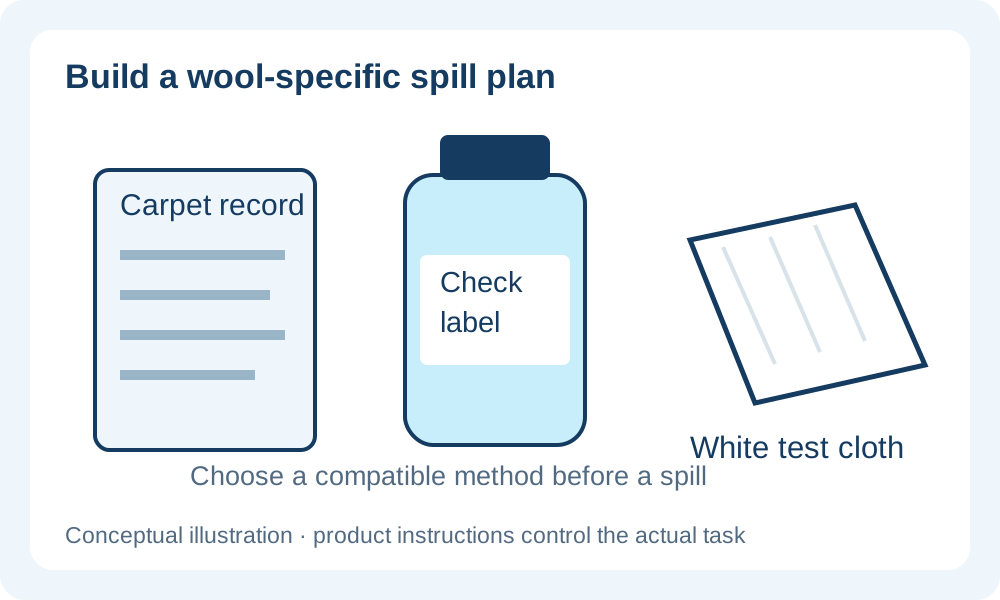
- Keep the installed carpet’s current care sheet with the facility’s cleaning record.
- Identify a specific compatible product and retain its label directions.
- Stock clean white absorbent cloths and a method for controlling access to a wet area.
- Name the person who decides when an unfamiliar spill needs assessment.
- Keep general hard-surface cleaners separate from the carpet kit.
Do not borrow a cleaner from the restroom, mix ingredients or assume a bleach-cleanable label on another carpet applies here. When compatibility or spill identity is unclear, hold the chemical-treatment step and ask the maker or an appropriate provider. The point of the kit is to avoid an improvised product decision during a busy shift.
Control ordinary spill care and inspect the test
For an identified ordinary spill within the approved method, absorb accessible liquid with the clean white cloth before more product is introduced. Use the permitted small test, inspect for color transfer or appearance change, and stop if the result is uncertain. Do not rub, saturate the area or expand the treatment while trying to hide the last visible mark.
Where the exact guide permits a water-based spotter, follow its residue-removal and drying directions. Applying less liquid does not remove the need for a dry inspection. Keep the treated location identifiable so staff do not unknowingly place furniture or tracked soil over it before the handoff is complete.
Separate cleaning from damage and specialist work
Bleached areas, burns, altered pile and persistent unexplained marks may need specialist assessment rather than another ordinary spot-cleaning pass. Do not promise a color match or full removal from a photograph. Biological contamination, unknown chemicals and water-damage conditions are outside this ordinary spill plan.
For an office reception, theater public area or specifically authorized landside facility in JLV’s service area, share the carpet identity and spill-plan requirements when asking about cleaning. JLV reviews tasks, crew and equipment readiness, access and availability before accepting work. Specialist treatment and restoration need separate assessment; an inquiry does not confirm a booking.